
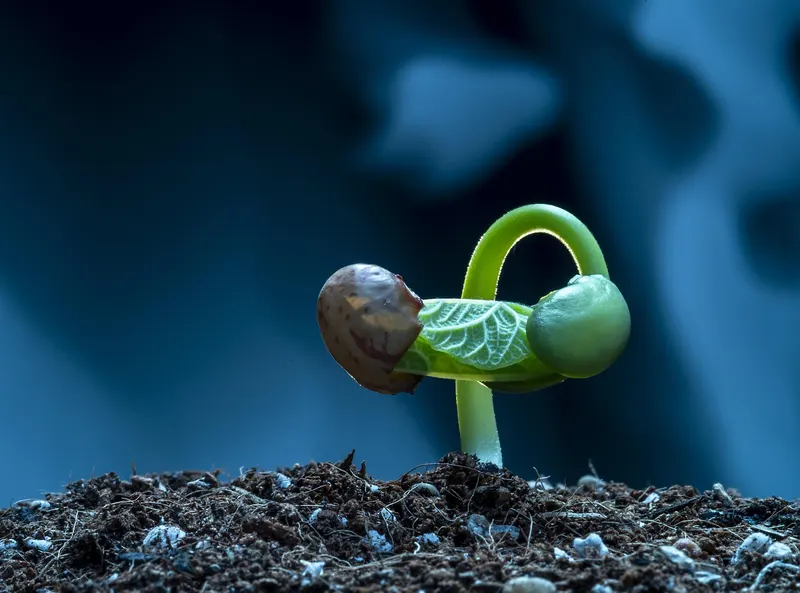
Why plant flower seeds in November?
While November often marks the close of the gardening year, it's actually an opportune time to plant certain resilient flower seeds S1. Many beloved cottage garden blooms, native prairie wildflowers, and plants that attract pollinators need a period of cold weather to develop correctly S1. This natural process, known as cold stratification, uses freezing and thawing cycles to break down hard seed coats, signaling them to sprout when warmer weather arrives in spring S1.
What are the benefits of dormant sowing?
Planting seeds in November provides them with a significant advantage, enabling them to establish strong root systems S1. This results in healthier plants come spring, characterized by sturdier stems, better drought tolerance, and more abundant flowers that may appear up to a month earlier than those sown in the spring S1. By sowing now, gardeners can set the stage for a vibrant floral display next season with reduced effort S1.
How should seeds be planted in late fall?
Successful late-season planting requires selecting the right flower varieties for fall sowing, considering your USDA hardiness zone and local climate S1. In warmer regions (zones 7-10), direct outdoor sowing allows seeds to sprout before winter, developing into frost-resistant rosettes that will bloom in April S1. For cooler northern areas (zones 3-6), dormant sowing involves placing seeds directly in garden beds when the soil temperature consistently drops below 45°F (7°C), preventing premature germination S1. For native perennial flowers or locations with fluctuating winter temperatures, winter sowing in containers kept in a sheltered spot, such as an unheated cold frame, is advised S1. This method offers protection from pests and excessive rain while still ensuring natural cold exposure S1.
What preparation is needed before planting?
Preparing the soil is a vital step before planting S1. It's important to measure soil temperatures with a reliable tool, like a Raintrip 4-in-1 Soil Meter, which also indicates moisture levels S1. Gardeners should clear away dense leaf litter, eradicate weeds, and gently rake the top inch (2.5 cm) of soil to achieve a fine, loose texture S1. Adhering to the sowing depth specified on seed packets is also crucial for successful germination S1.