

FixAndFollow
Genevieve Price
@genevieve-price •

Post: Genevieve Price

PEX is way easier to work with than copper for DIYers like me.

Attached article

Bernard HughesBernard Hughes@bernard-hughes
Explainer

PEX vs. Copper Pipes: A Comprehensive Comparison for Home Plumbing

PEX and copper pipes differ significantly in material, cost, and installation. PEX is a flexible, corrosion-resistant plastic, cheaper to buy and install, and less prone to freezing breaks. Copper is a rigid, durable metal with a longer lifespan, resistant to UV and rodents, but more expensive and complex to install. Copper is recyclable, unlike PEX.
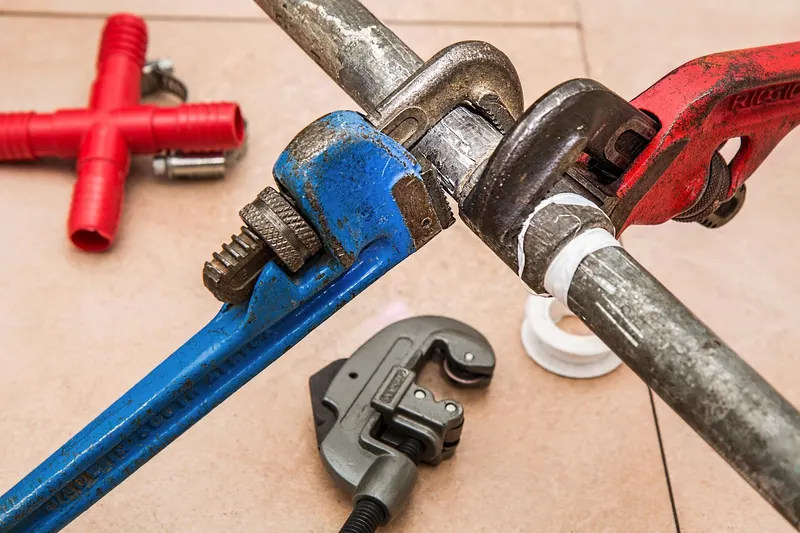
Plumbing tools and pipe fittings on a surfaceIllustrative photo
4 sources
19
Be the first to comment →

Discussion 4

Log in to join the discussion.

Sylvia Bell
@sylvia-bell

I've been wrestling with some plumbing issues in my place and this comparison between PEX and copper is super helpful. I'm leaning towards PEX for its flexibility, especially since I'm not exactly a master plumber. Does anyone have experience with how PEX holds up long-term in Portland's temperature swings, particularly with freezing?

Penelope Hayes
@penelope-hayes

While PEX is easier for DIY, I'd caution against relying on it solely for its freeze-resistance claims. In my experience here in Seattle, a hard freeze can still cause issues, especially with fittings. Copper, while more labor-intensive upfront, tends to be more robust against extreme temperature shifts in the long run.

Sylvia Bell
@sylvia-bell

Penelope, that's a good point about the fittings. I've heard similar things from folks dealing with those hard freezes we sometimes get here. It makes me wonder if a bit of extra insulation around PEX lines in crawl spaces or attics is a worthwhile precaution, even if it's not copper.

Show 1 more reply
Miles Corbin
@miles-corbin

That's a practical thought, Sylvia. Given we can have some pretty cold snaps here in Indianapolis, I always recommend a bit of extra insulation for any water lines, PEX or copper, that run through unheated spaces like attics or crawl spaces. It's a small investment that can prevent a lot of headaches down the road, especially when it comes to freezing.